

Gulab jamuns made from home made khoa are my mom’s speciality. She makes amazing soft gulab jamuns made from milk solids which is made by boiling the milk for a long time and then, condensing the full fat milk.
Though there are many new versions of preparing gulab jjamuns using milk powder, sweet potato, semolina etc, nothing compares to the taste of these luxurious soft and rich gulab jamuns made from khoa or milk solids.
You can buy readymade khoa/mawa/milk solids from shops or from the frozen section of supermarkets.
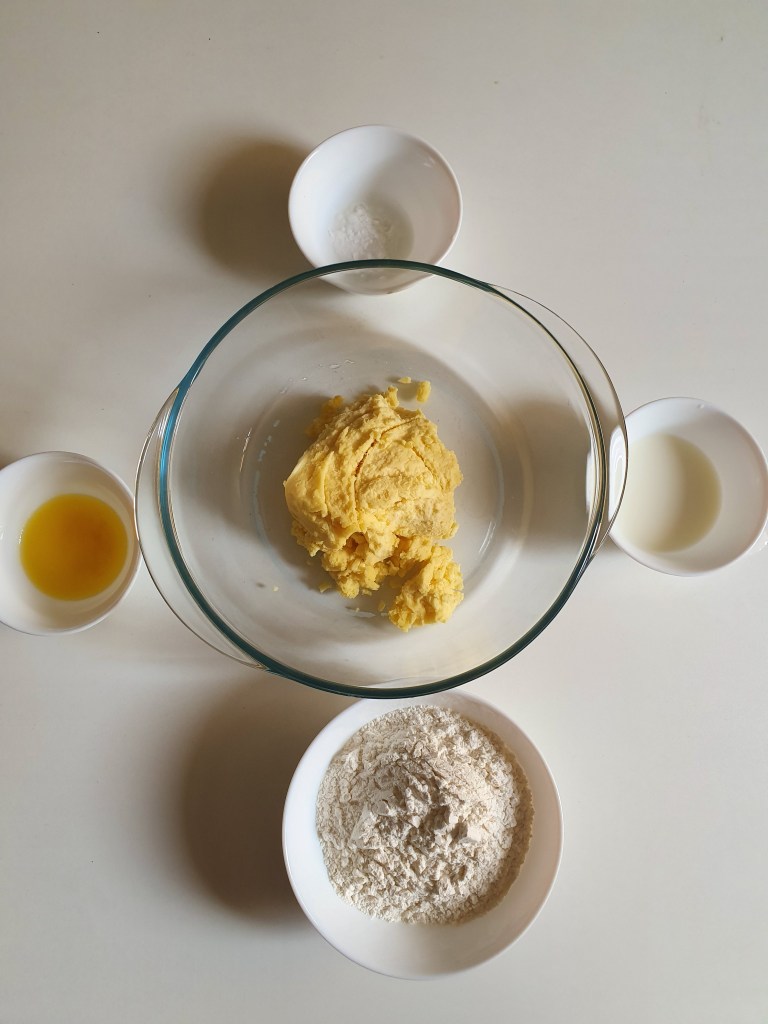
Khoa, milk, soda bi carbonate, all purpose flour, ghee 
Mix the khoa throughly. 

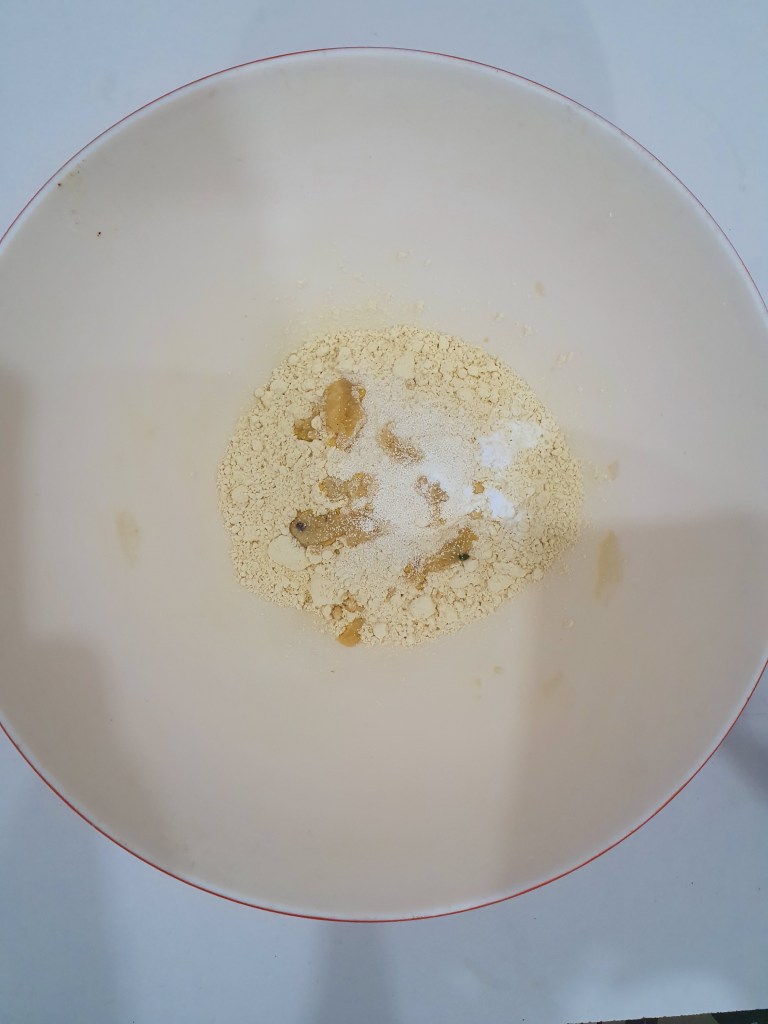
Add maida/all purpose flour 
Add bi-carbonate of soda 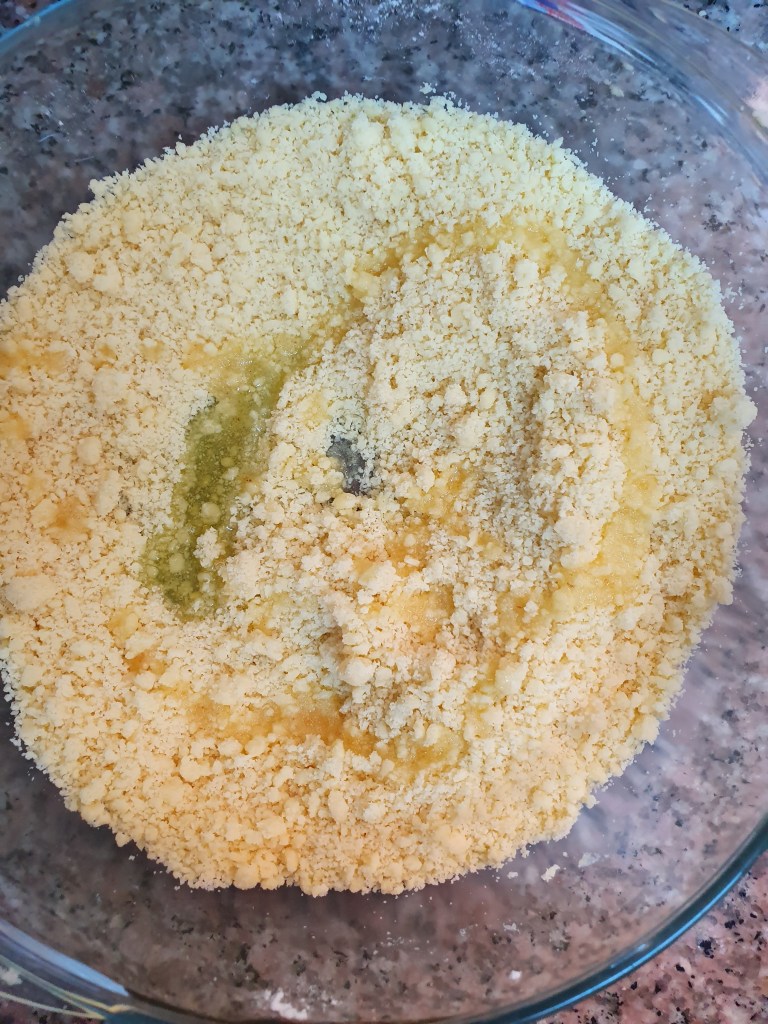
Next, add ghee 
Add milk 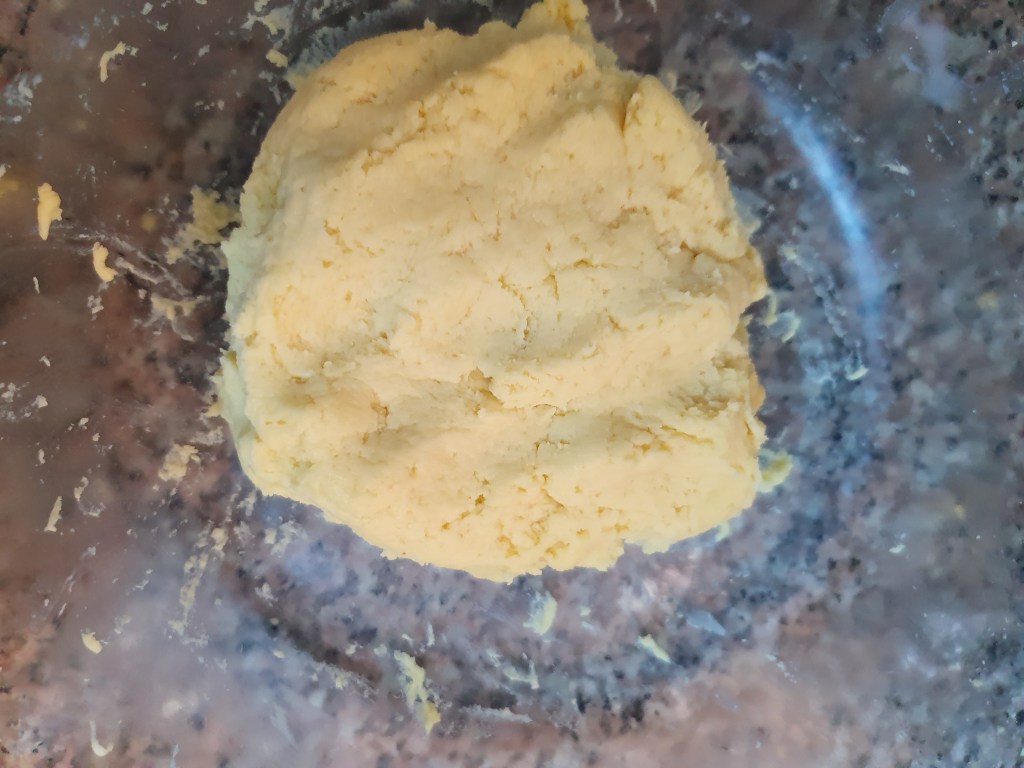
Knead it into a soft dough 
Roll it into smooth small balls 
Fry the balls on low heat 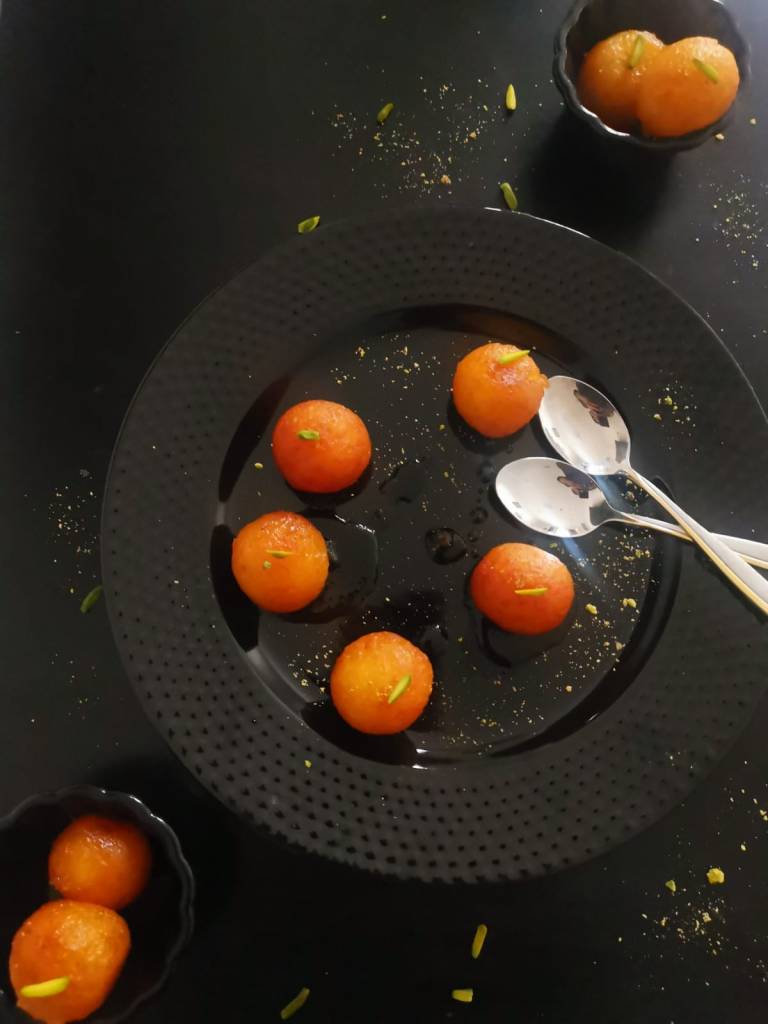
Ingredients:
Store bought khoa/mawa – 1/2 kg
Maida/All purpose flour – 2 cups
Melted Ghee – 2 tsp
Milk – 3 tbsp
Soda -Bicarbonate – 1/2 tsp
For Syrup
Sugar – 3 cups
Water – 1 3/4 cups
Measurement for gulab jamuns from home made khoa
Khoa Made from 1 litre milk
Soda bi-carbonate – 1/4 tsp
Melted ghee – 2 tsp
Milk – 1 tbsp
Maida or All purpose flour – 1/2 cup
Preparation:
Sugar Syrup:
In a pan, add 3 cups of sugar and 1 3/4 cups of water and heat it on a medium flame. Keep stirring until the sugar is dissolved and it is sticky. Check the syrup by taking a little in between your thumb and forefingers. When you separate your fingers, the syrup must be just sticky. Do not let it reach a single string consistency.
Take the syrup off the pan and transfer it immediately to another wide vessel and let it cool. Some people like adding cardamom powder and lemon juice but we, at home do not add this.
Frying the Gulab Jamuns
In a bowl, add the mawa and mix it well. Then add the all purpose flour to it and combine it well. Then add the soda-bicarbonate and mix well again. Next, add the ghee and the milk and knead it gently to make a smooth dough. Do not over knead the dough.
Now divide the dough into equal shaped balls. Roll it into smooth crack free balls and keep it on a plate. You should always fry them immediately or the texture may change as soda has been added.
Heat oil in a pan. Drop a small piece of the dough into the hot oil to see if the dough goes down and rises up. If not, the oil is not hot. Wait for a few minutes and drop about 4 to 5 balls at a time and fry to a golden brown colour and take it out. Place them on a plate lined with kitchen tissue. Reduce the flame to minimum and keep flipping the balls to have a uniform brown colour.
The oil should not be too hot as the balls may turn brown but will not get cooked inside. If the oil not hot, a crusty layer will form over the fried jamuns. Make sure you regulate the flame and the heat remains medium low all the time. If it gets too hot, take the pan off the flame and keep it aside and then fry the jamuns.
Add the jamuns to a medium hot syrup or room temperature syrup. Do not add it to a boiling or hot syrup. Let them soak for 5 to 6 hours. Serve them with little syrup in a bowl.



 Meal Haven