Eral Cheppankizhangu (Prawns and Colocasia ) Curry

Ingredients:

Colocasia/Seppankizhangu – 5 – 6 pieces

Deveined Prawns – 250 gms

Red Chillie powder – 2 tsp

Turmeric powder – 3/4 tsp

Coriander powder – 2 tsp

Pepper powder – 1 tsp

Jeera/Cumin seed powder – 1/2 tsp

Tamarind – a small ball

Coriander leaves – 2 stalks

Oil – as required

Salt – as required

For seasoning:

If you have vadagam , you may use it for seasoning or

Mustard Seeds – 1 tsp

Jeera/Cumin seeds – 1/2 tsp

Curry leaves – 1 stalk

To grind

Tomato – 1 medium

Onion – 1 medium

Curry leaves – 3 or 4

Ginger – 1/2 inch piece

Garlic – 3 cloves

Grated Coconut – 1 tbsp

Saunf – 1/4 tsp

Preparation:

In a bowl, soak the tamarind with 1/4 cup warm water and squeeze it well.

Wash the colocasia well. Take off the skin and cut each one into 2 to 3 pieces and boil it separately in water. Cook until done and discard the water.

Grind the items under ‘to grind’ to a fine paste in a mixie.

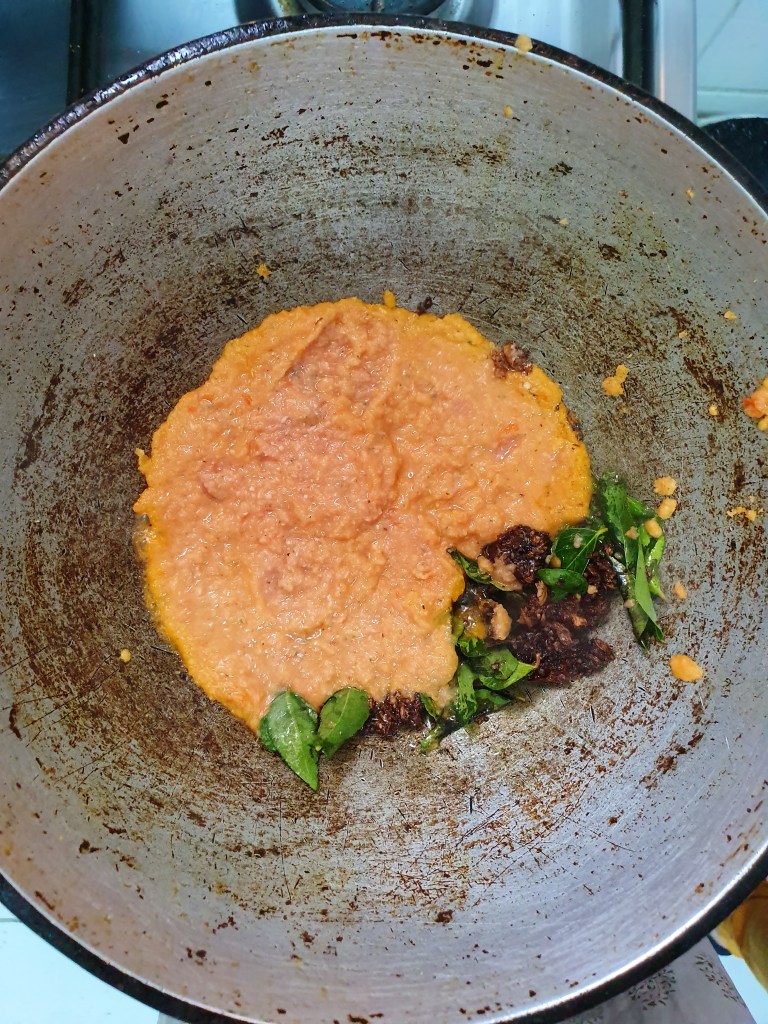
Heat oil in a pan. Add the items mentioned under ‘seasoing’ . then, add the ground paste to it and saute it well for about 5 minutes. Now add the boiled colocasia and saute well. Add the coriander powder, pepper powder, chillie powder, cumin powder, turmeric powder and stir it until the raw smell goes off. Squeeze out the tamarind and add the tamarind extract to it alongwith 2 cups of water. Boil it well on low flame for about 10 minutes and then add the prawns.

Close and let the prawns cook for about 3 – 4 minutes on low flame. Do not cook the prawns too long as it may turn rubbery. Adjust the salt and take it off the fire.

Garnish it with coriander leaves before serving. This curry goes well with rice and dosas.
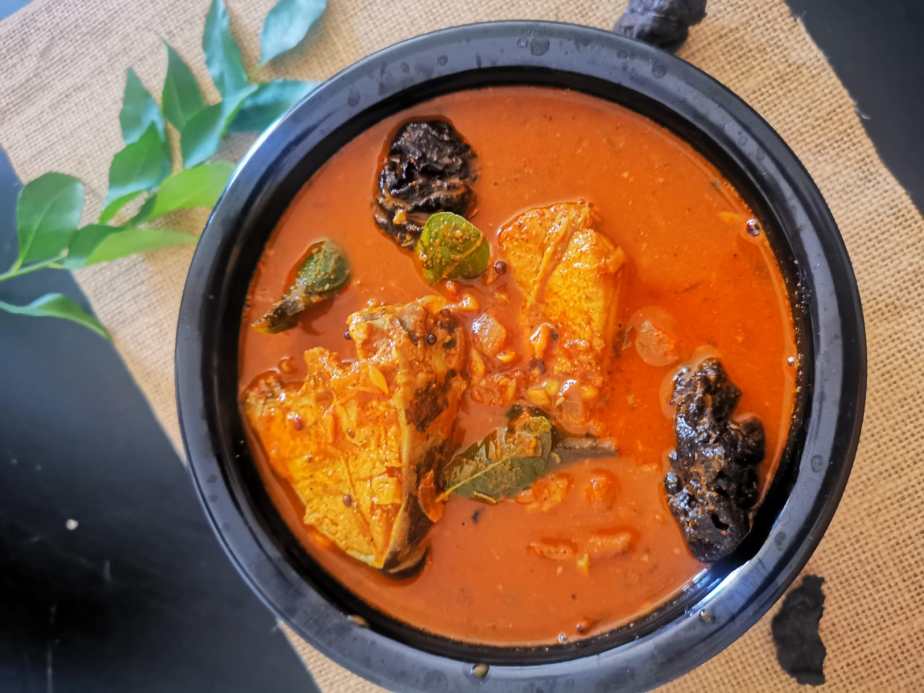
Kottayam Fish Curry

A mouthwatering fish curry of Kerala, a speciality of the Kottayam district which is served usually with rice or boiled tapoica. The fish pieces are cooked with kokum ( a souring agent like tamarind) giving it a unique smoky taste.

Ingredients:

Fish – 1/2 kg

Ginger – 2 tbsp, thinly sliced or chopped

Garlic – 2 tbsp, chopped

Shallots – 5-6, thinly sliced

Onion – 1 chopped

Green chilly – 1, slit

Kudam puli (kokum)– 3-4 pieces

Curry leaves – 2 – 3 sprigs

Chilly powder – 2 – 2.5 tbsp (Adjust according to your spice tolerance. Use Kashmiri chilly powder to make it less spicy.)

Coriander powder – 2 – 3 tsp

Fenugreek powder – 1/4 tsp

Turmeric powder –  1/2 tsp

Mustard seeds – 1/2 tsp

Coconut oil – 2.5 tbsp or as required

Salt – To taste

Hot water –  1.5 cups or as needed

Preparation:

Wash and soak the kudam puli for 15 minutes in 1/4 cup of warm water.

Heat 2 – 2.5 tbsp coconut oil in a pan/claypot. When hot, add the mustard seeds. When it starts to crackle, add the ginger, garlic, pearl onions, green chilly, curry leaves and saute until they turn golden. Reduce the heat and add the chili-coriander-fenugreek-turmeric powders. Saute for a minute (take care not to burn it) and when the oil starts appearing on the surface, add about 1.5 – 2 cups hot water, salt and the kudam puli pieces. Boil it for a good 4-5 minutes until the raw smell disappears and check for salt. Now, add the fish pieces. (If the gravy is not sour enough, add some more water in which the kudampuli pieces were soaked.)

After adding the fish pieces, swirl the clay pot/pan to mix everything well.  Bring to a boil and cover with a lid. Cook at medium-low flame. Remember to rotate the pot/ pan every 6-8 mts. It generally takes less than 20 mts to cook the fish.

Cook until the fish gets done and the gravy is medium-thick.  Check the gravy, if it tastes sour, remove one or two pieces of kudam puli. Switch off the flame. Add some curry leaves and 2 tsp of coconut oil on top. Serve with hot rice or boiled tapoica. The curry tastes best after a day.

Tamilnadu Style Fish Curry

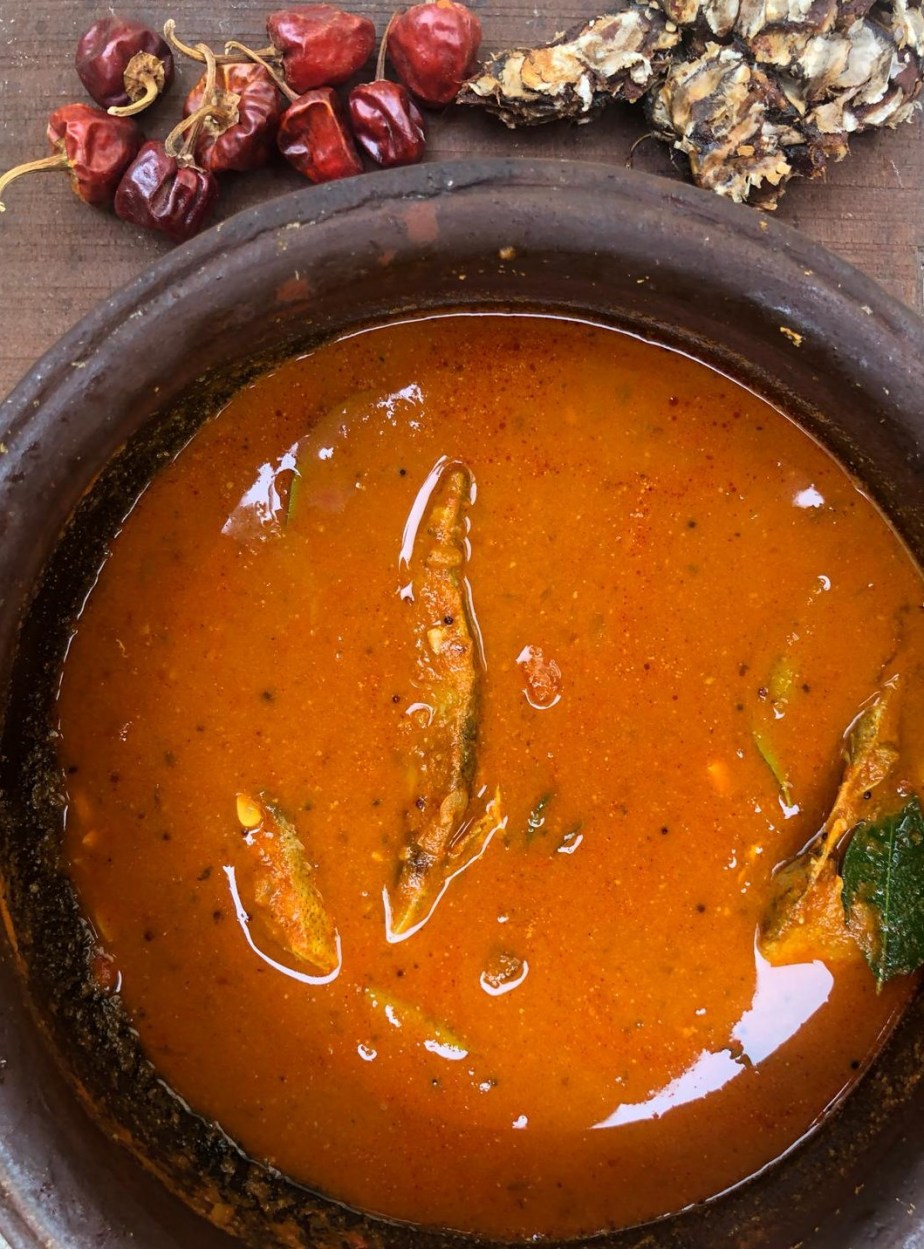
A medium spicy blend of chillies and tamarind, this fish curry can be served with rice or dosas or idlis. There are many different ways of making fish curry in Tamilnadu. This style of the recipe was followed by my mother in law and I have always loved it.

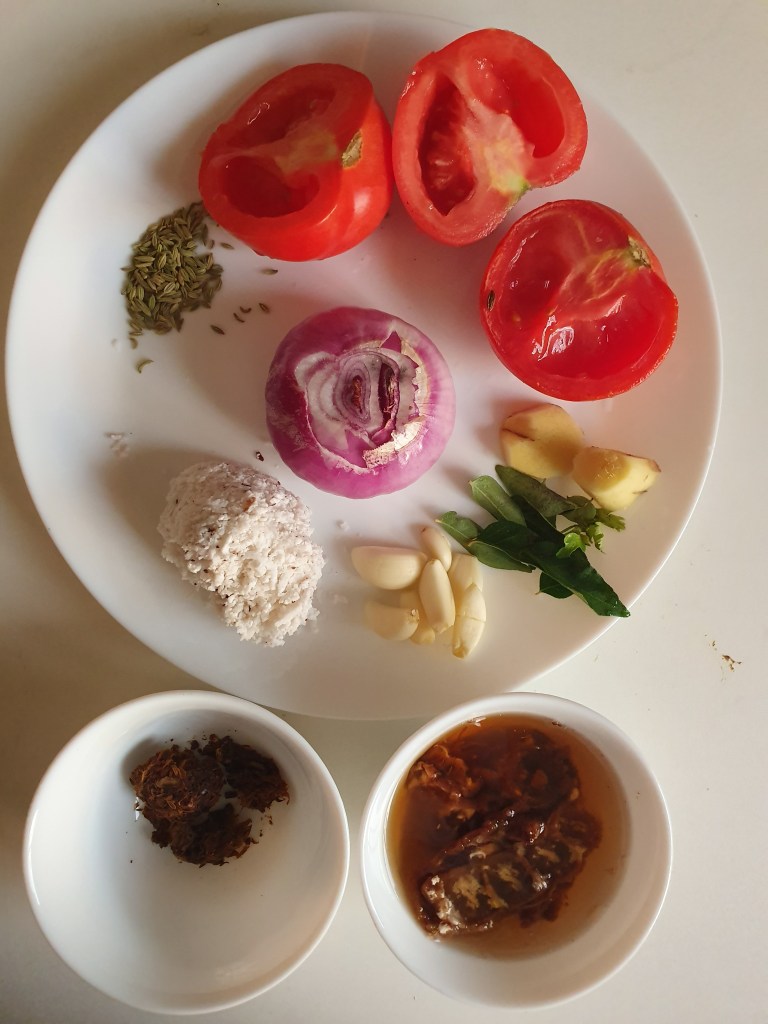
I have seasoned the curry using vadavam (vadouvan), french derivative for this masala. The spice blend is thought to have originated from the colonial influence of the French in the Pondicherry region of India. (Pictured below). The spice blend contains pounded onion, garlic, cumin seeds, mustard seeds and fenugreek seeds which are sun dried, then crushed and mixed with castor oil, rolled into balls and dried for several more days.

If you do not have vadavam, you could use the items mentioned “under seasoning” which would be readily available in your pantry.

To Grind:

Onion – 1 big

Tomato – 2 1/2 medium

Green chillies – 2

Garlic – 5 cloves

Ginger – 3/4 inch piece

Saunf – 1/4 tsp

Curry leaves – 4 or 5

Grated coconut – 2 tbsp

Other ingredients:

Fish – 1/2 kg

Oil – 1 1/2 tbsp

Tamarind – a small ball (to make 1/4 cup of thick extract)

Water – 2 1/4 cups

Chillie powder – 2 tsps

Coriander powder – 2 tsp

Cumin seed powder – 1 tsp

Pepper powder – 1 tsp

For seasoning:

Mustard seeds – 1 tsp

Jeera seeds – 3/4 tsp

Curry leaves – 1 1/2 sprigs

Garlic cut into small pieces – 1/2 tsp

OR

Vadagam – 1 tsp crushed

Oil – 1 tsp

Preparation:

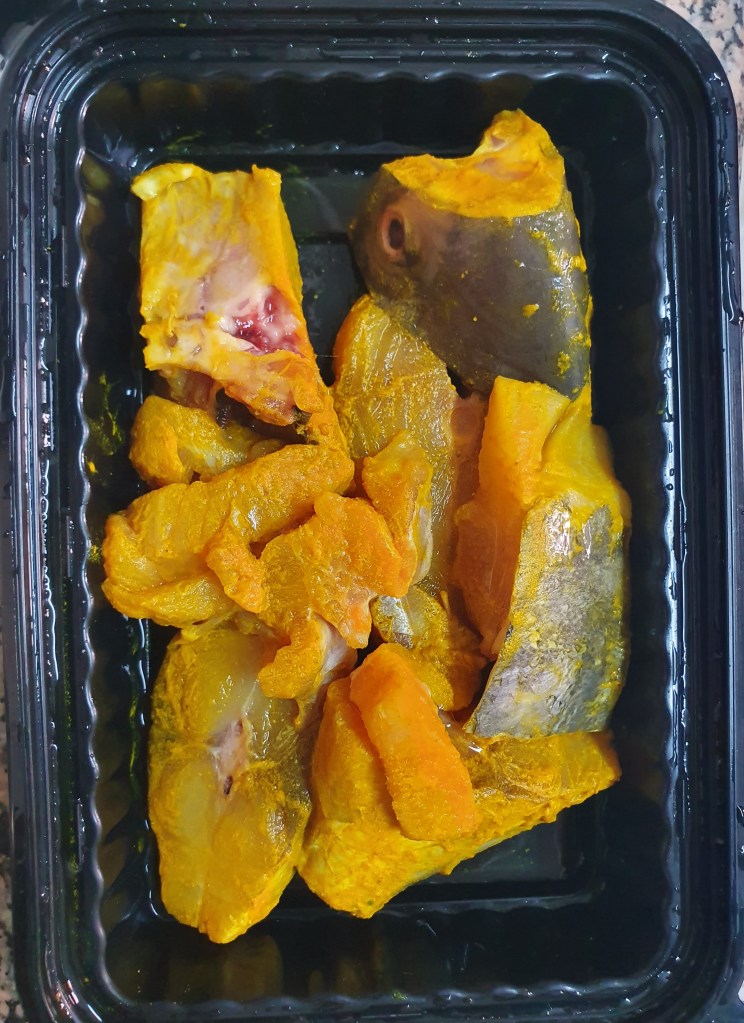
Wash and clean the fish well. Add 1/4 tsp turmeric powder and 1/4 tsp of salt to the fish and keep it aside.

Soak tamarind in 1/2 cup of warm water. After 10 minutes, extract 1/4 cup of thick extract and keep it aside.

In a mixer, grind the items under ‘to grind’ to a smooth paste.

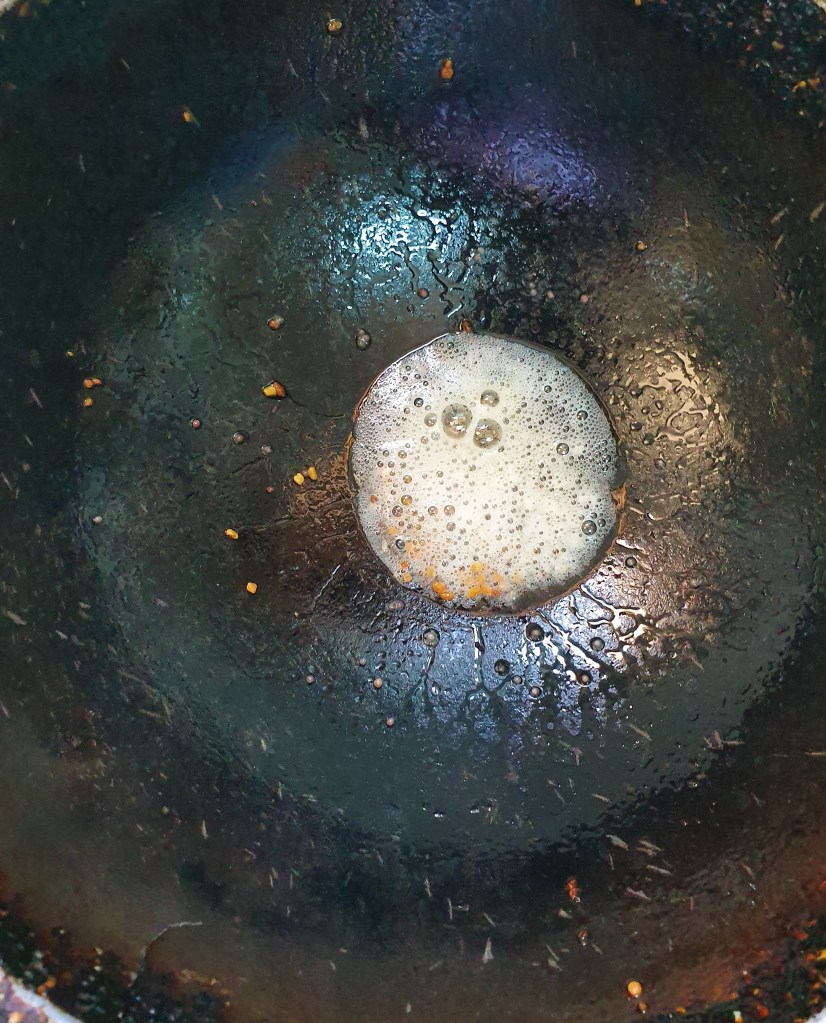
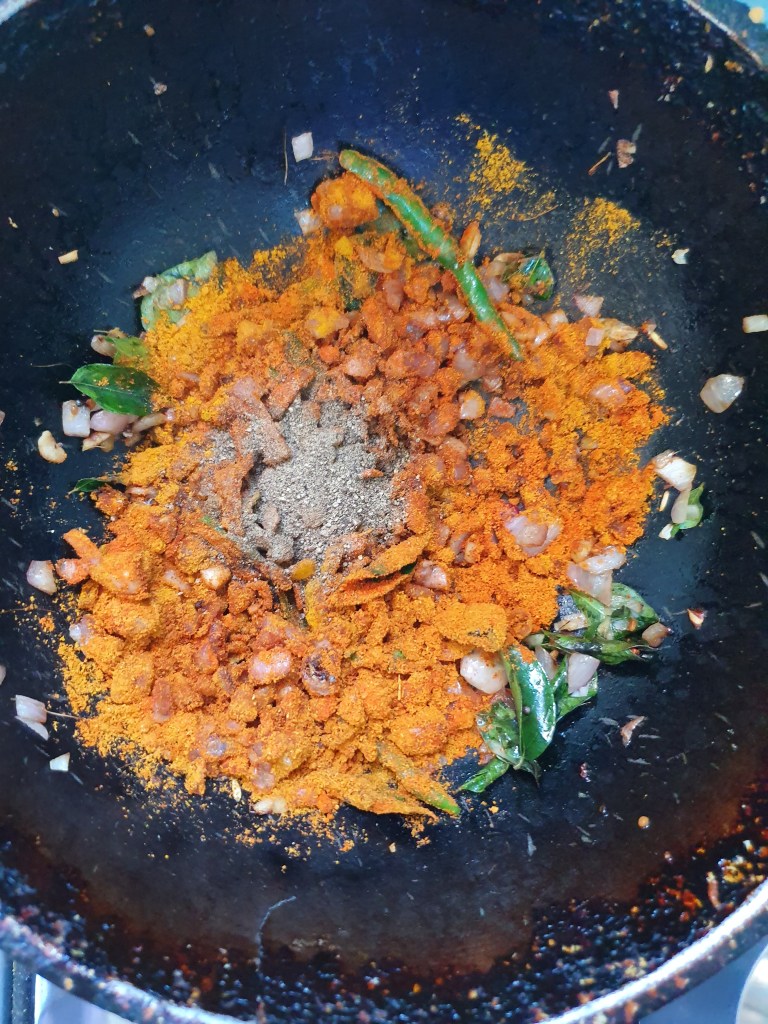
Heat a kadai or clay plot. Add oil and when it becomes hot, add the seasonings/vadagam and curry leaves. When it starts sizzling, add the ground paste to it and saute it well for 5 minutes until the raw smell disappears. Add 1/4 cup of the tamarind extract to this paste and saute again.

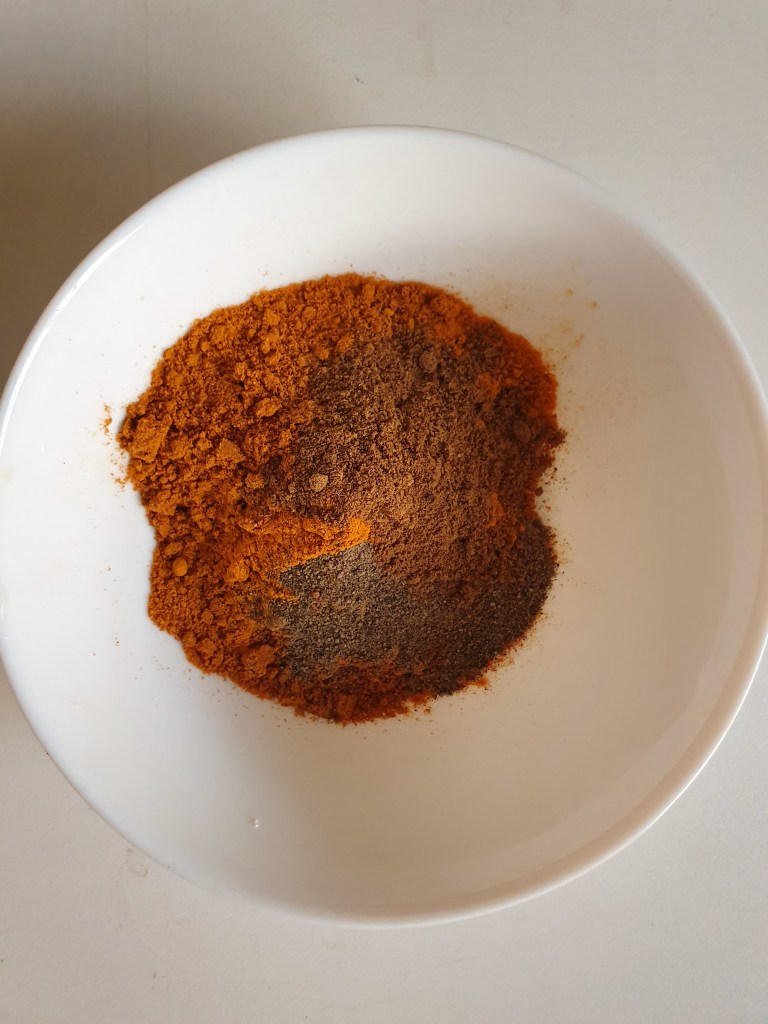
In a separate bowl, add the red chillie powder, coriander powder, cumin seed powder, turmeric powder, pepper powder and salt. Add 2 1/4 cups of water to it and mix well.

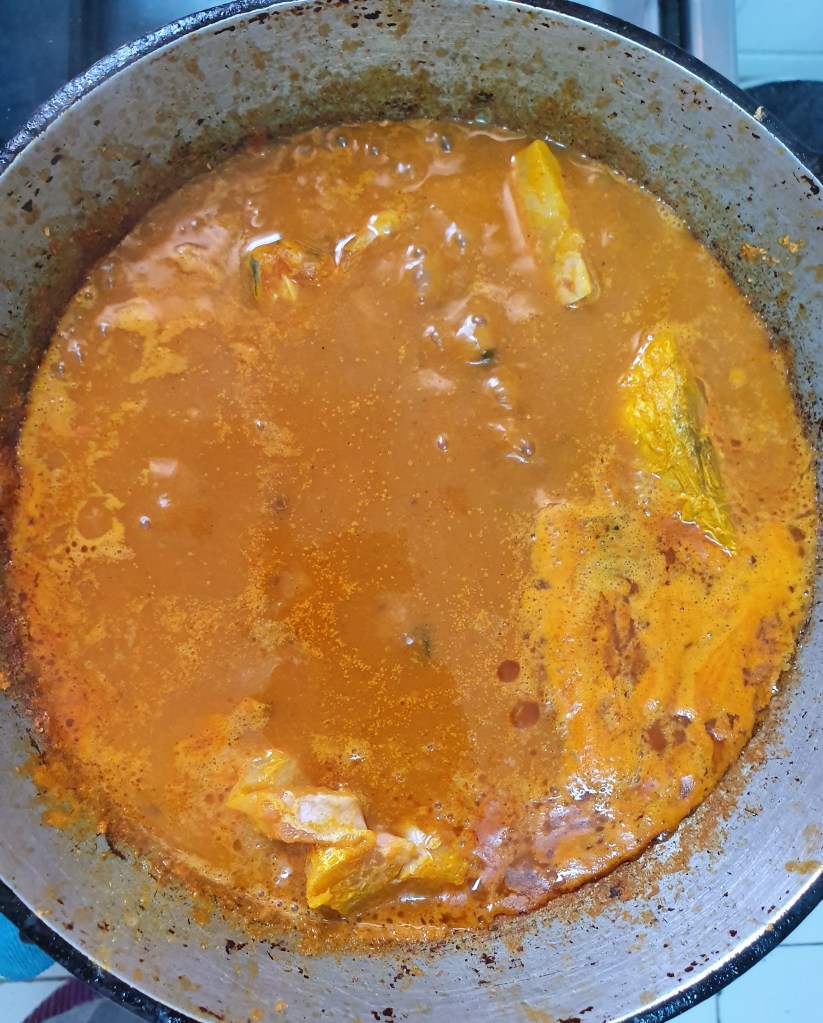
Add the liquid to the pan/clay pot and let it boil for a full 8-10 minutes on low flame. Then, add the cleaned fish to it and cover and cook for 4-5 minutes. Put off the flame and serve with rice.

Garnish it with some coriander leaves.