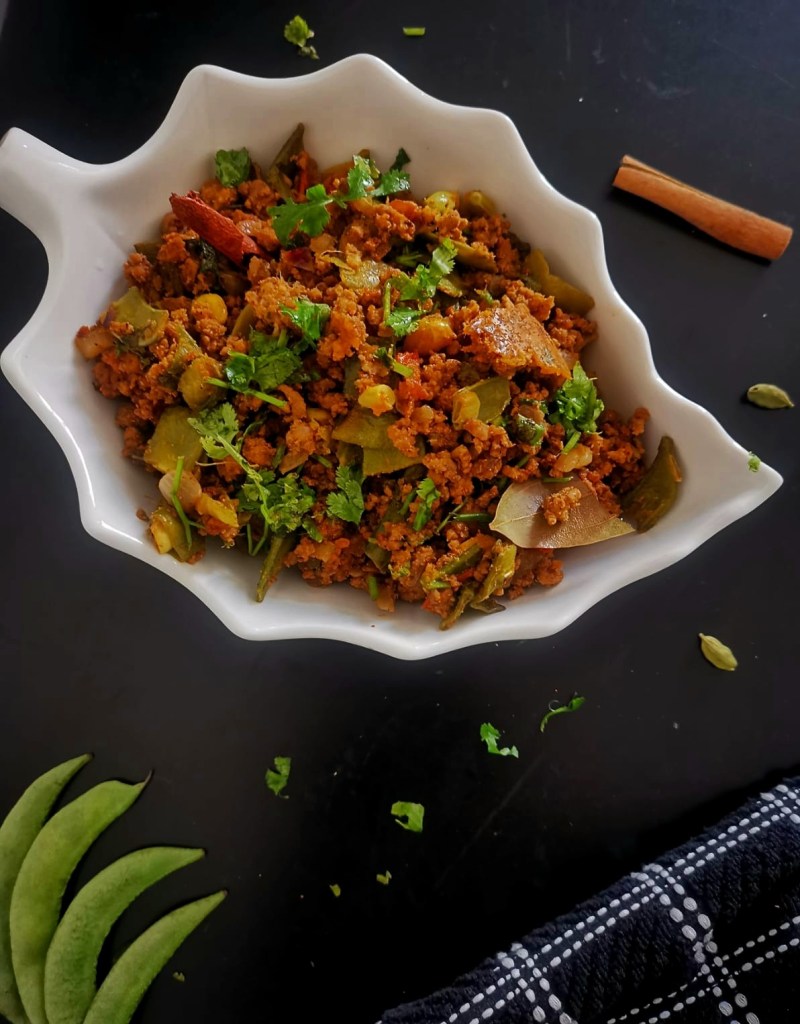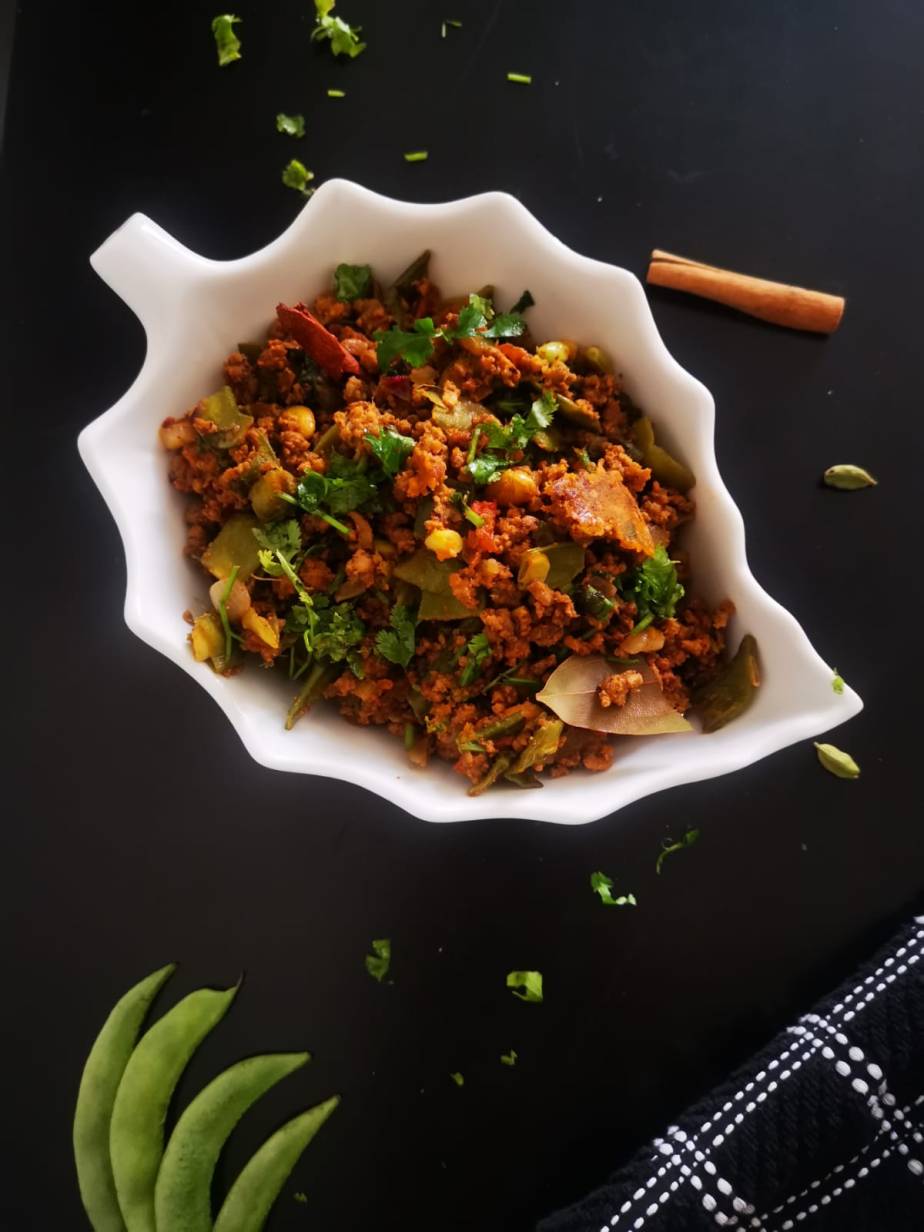
Kheema Avarakkai (Broad Beans and Minced meat)

A typical minced meat recipe made at home which is served with rice or chapathi.

Ingredients:

Minced meat – 750 gms

Broad beans – 250 gms

Red chillie powder – 1 1/2 tbsp

Corianderpowder – 1 tbsp

Turmeric powder – 1 tsp

Mint leaves – a handful

Coriander leaves – 1 sprig

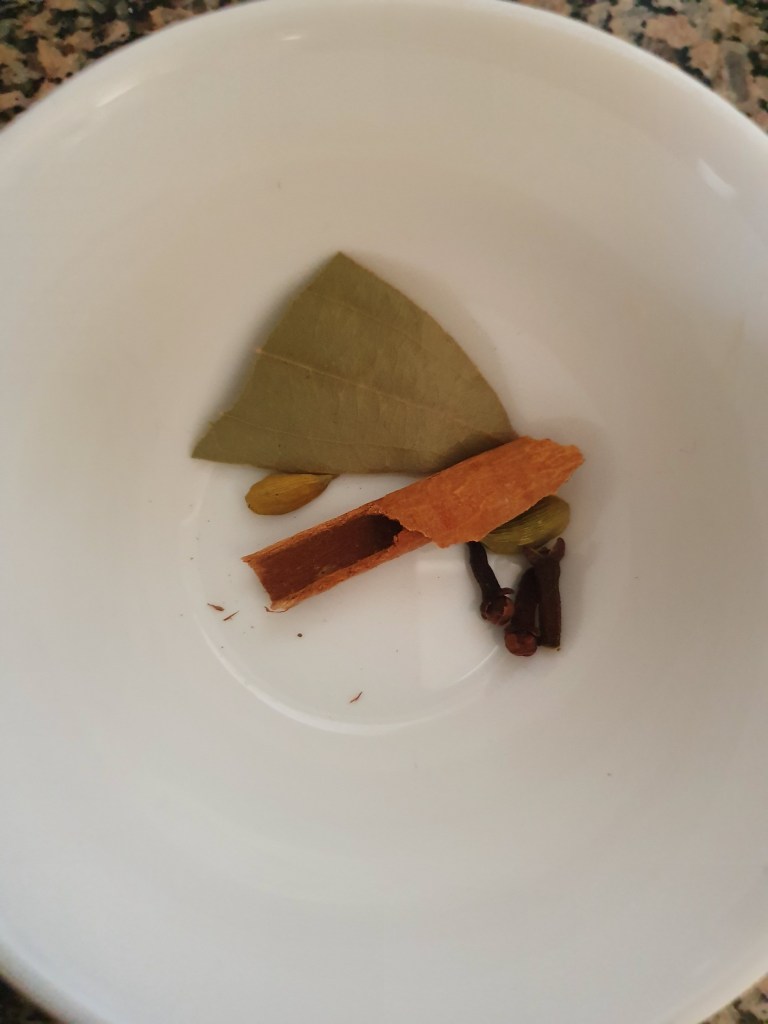
Cinnamon – 1 inch piece

Cardamom – 2

Cloves – 2

Bay leaf – 1

Garam masala powder – 1/2 tsp

Ginger garlic paste – 2 tbsp

Onion – 1 large

Tomato – 2 small

Salt – to taste

Oil – 2 tbsp

Preparation

Wash and clean the beans by removing the strings from the side of each broad bean. Wash and drain the beans using a colander. Cut it into 1/2 inch long pieces and keep it aside.

Wash the minced meat/kheema and drain it using a colander.

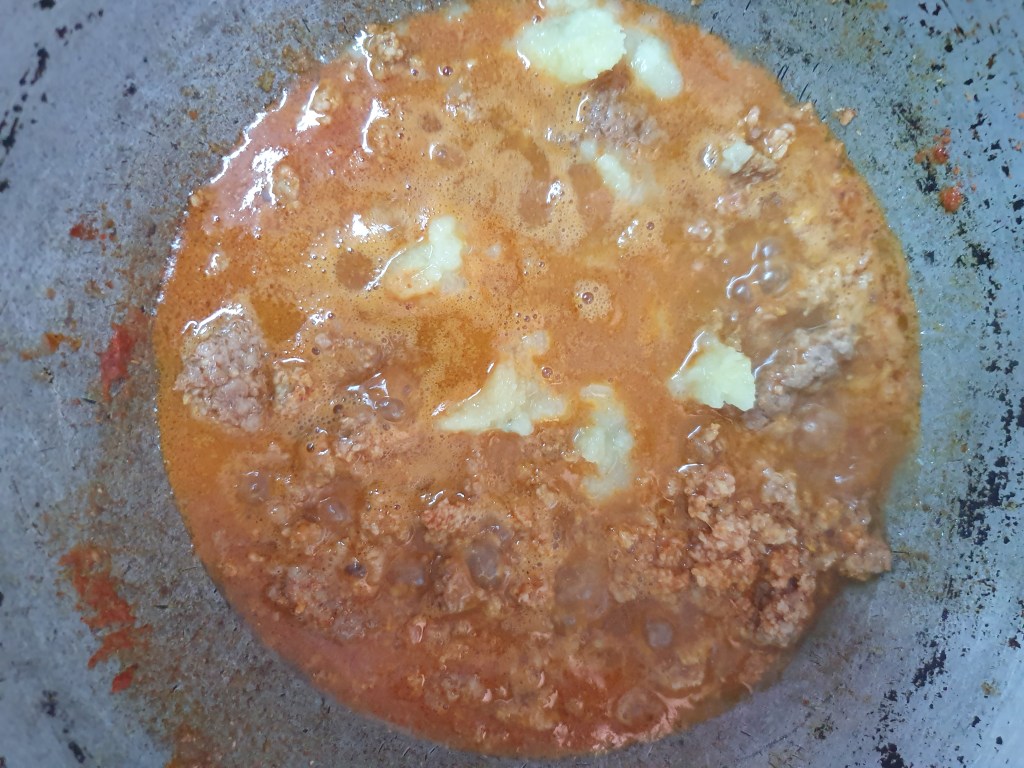
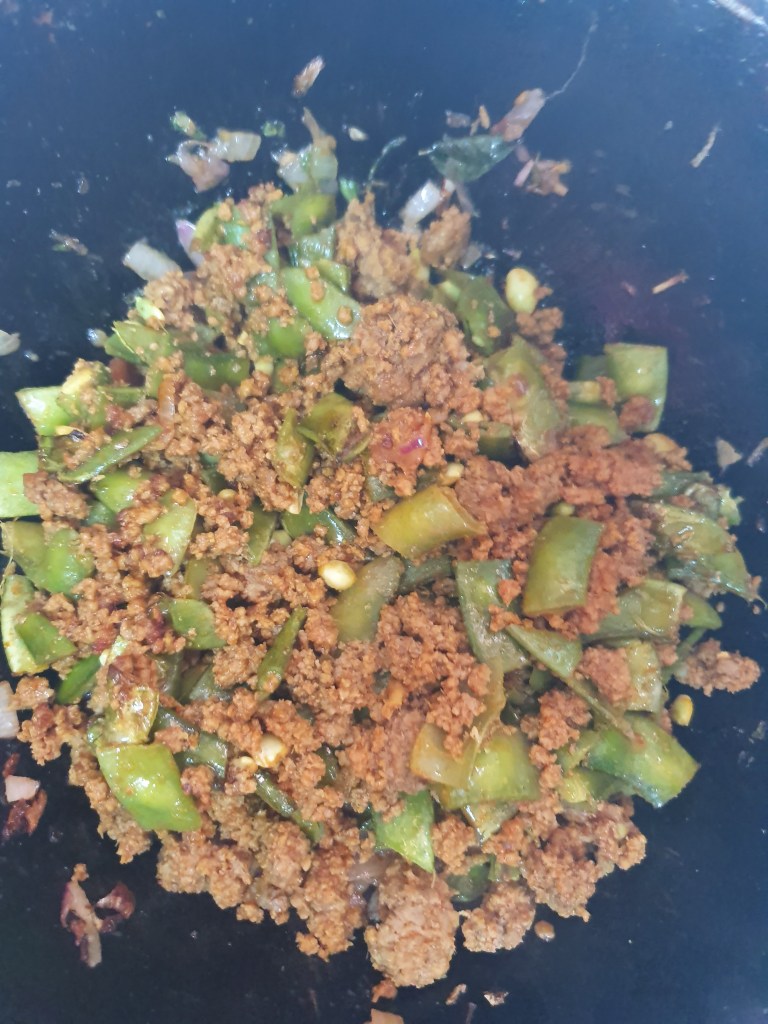
Take a wide kadai or pan and heat it. Add the kheema/minced meat into it. Add the ginger garlic paste, red chillie powder, coriander powder, turmeric powder, salt and mix well. Add 1/4 cup of water, clse with a lid and let it cook. When the meat has cooked three fourth’s and is almost dry, add the chopped broad beans and saute it well. Close and let it cook again. You may sprinkle some water if it is too dry.

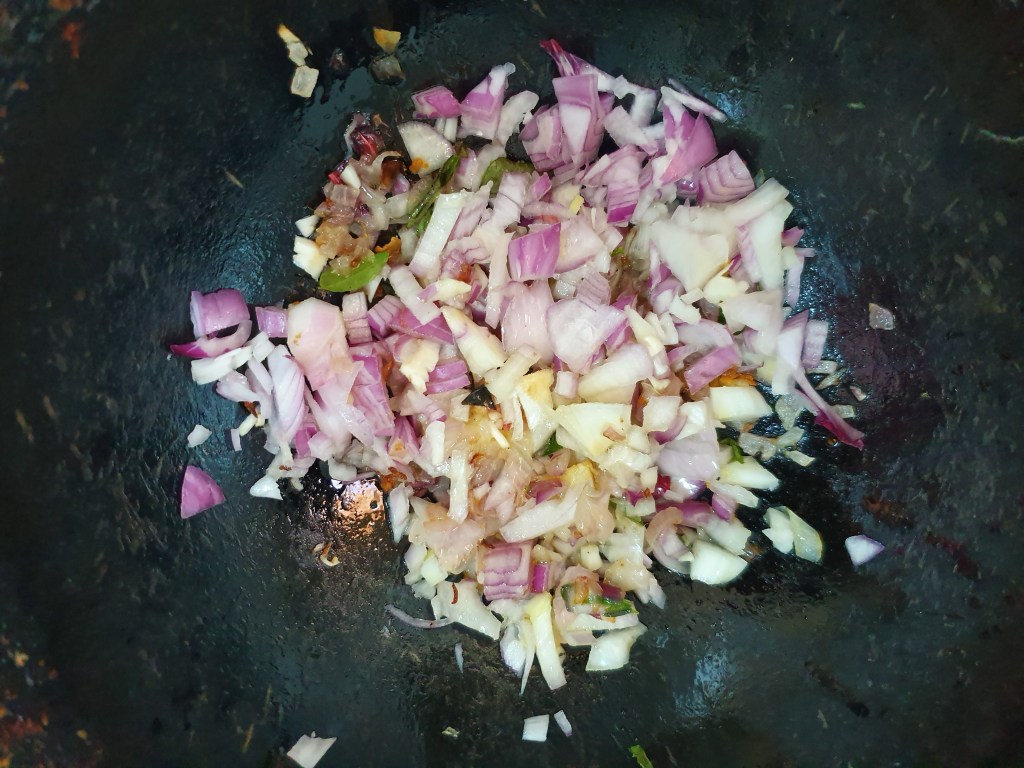
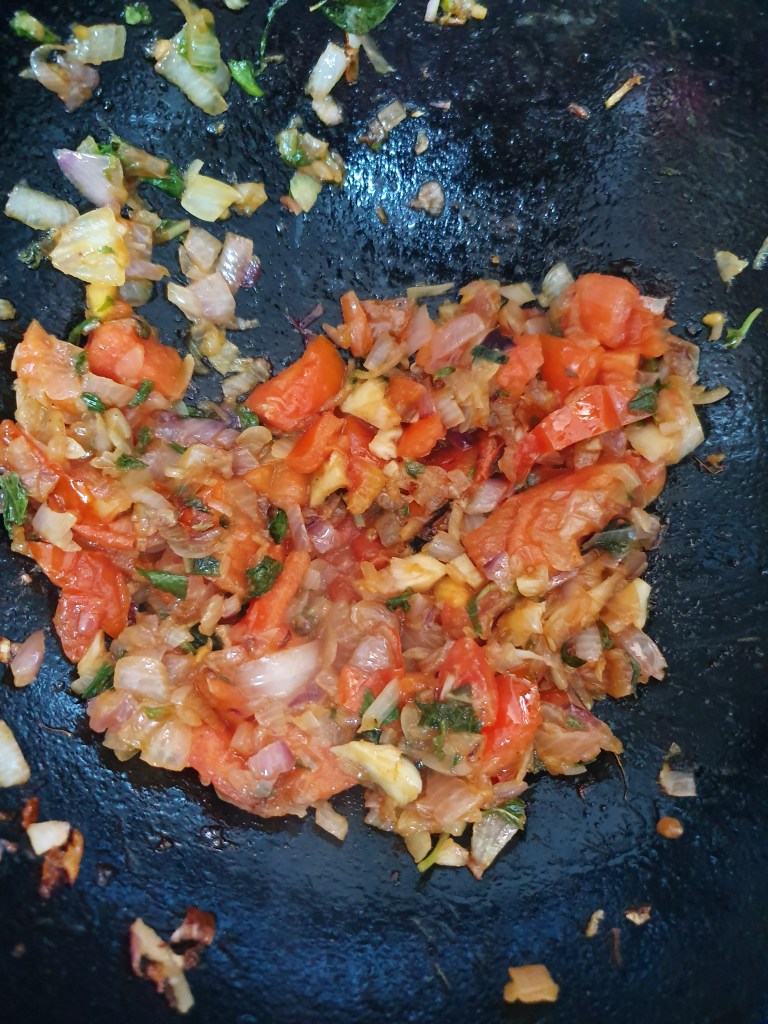
In another pan, heat oil. Add cinnamon, cloves, cardamom and saute. Then add the chopped onions and saute until it turns translucent. Next, add the chopped mint leaves and chopped tomato and saute until it becomes mushy. Add the minced meat and beans mixture into it and saute well adding garam masala powder. Close and let it cook for another 4 – 5 minutes on very low heat. Take it iff the flame and serve garnished with coriander leaves.

Vazhakkai Varuval/Roast (Raw Banana Stir Fry)

A quick stir fry using raw bananas which can be served with rice and curries.

Ingredients:

Raw Banana – 3

Oil – 1 1/2 tbsp

Gram flour – 1 tsp

To grind:

Aniseed/Saunf – 1 tsp

Pepper – 1 tsp

Ginger – 1/4 inch piece

Garlic – 3 cloves

Onion – 1 small

Tomato – 1 small

Red chillie powder – 1 1/2 tsp

Coriander powder – 1 1/2 tsp

Salt – to taste

For seasoning:

Mustard – 1/2 tsp

Udad dal – 1/4 tsp

Curry leaves – 7-8

Preparation:

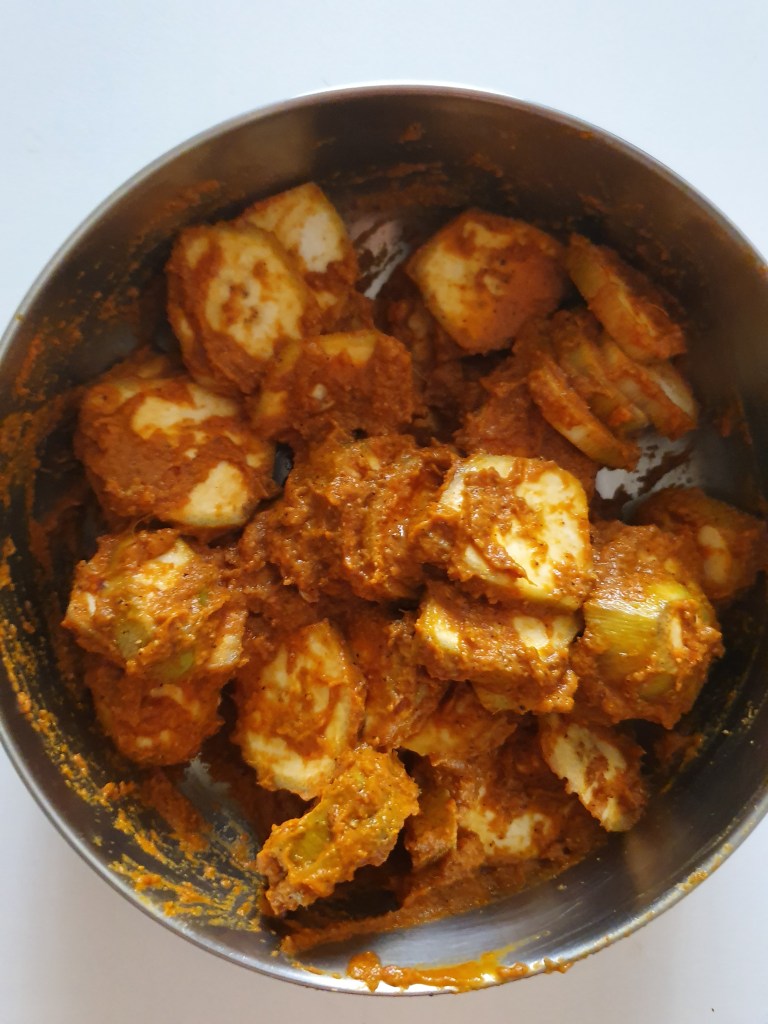
Wash and peel the raw bananas and chop it into thin rounds as shown in picture.

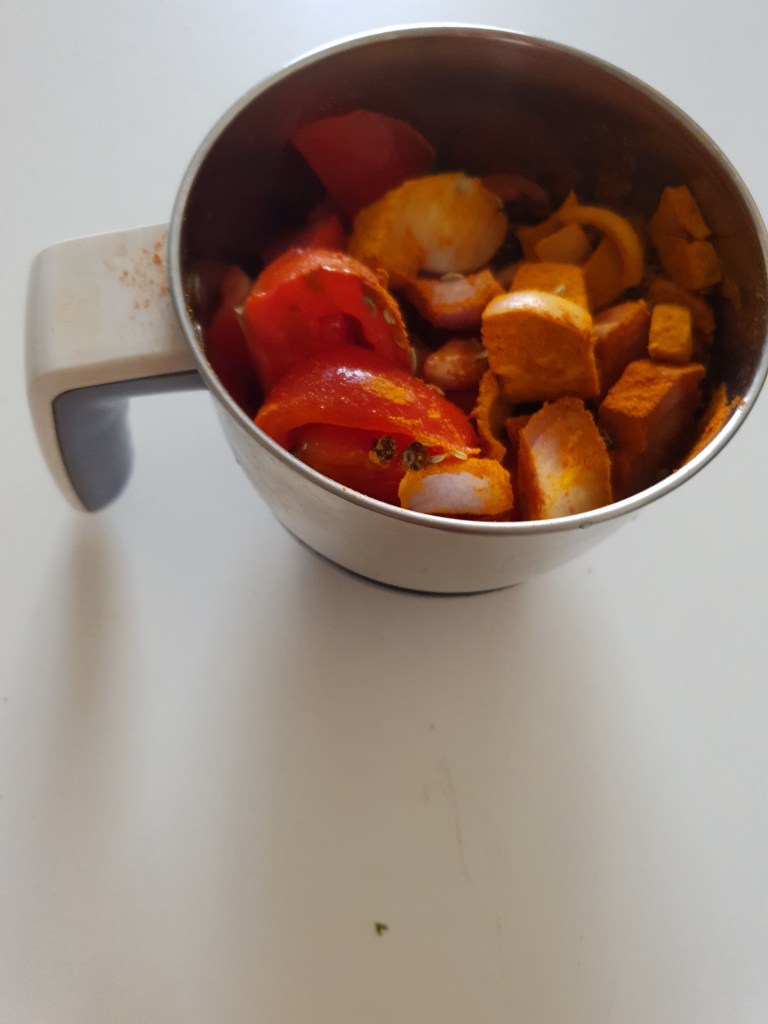
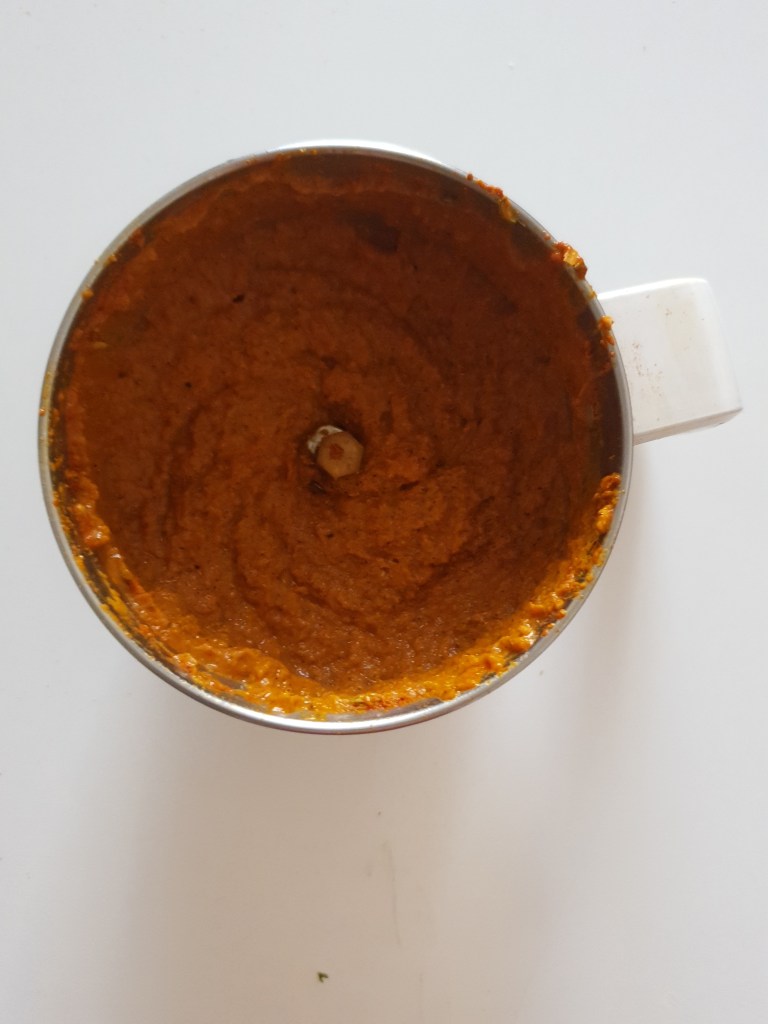
Grind the items under ‘to grind’ and apply this masala on the sliced bananas.

Heat oil in a pan. Add mustard seeds and udad dal. When it starts to sizzle and turns golden in colour, add the curry leaves. Add the coated bananas to the pan.

On a low flame, toss the bananas for 2 minutes. Sprinkle little water in between and cover and cook them. Keep sauteeing them often as the masalas may stick to the pan. Add 1 tsp of oil if required. When they are cooked, you may sprinkle a tsp of gram flour to it and fry them again for another 2 minutes.

The stir fry is ready to be served with rice.

Baingan Baja(Pan Fried Egg Plants)

I first had these shallow fried egg plants at my friend Bobby’s house in Toronto. This is a staple in every Bengali household. Bhaja in Bengali is thick slices of vegetable coated with gram flour and shallow fried. With a soft inner and a crispy texture on the outside, I instantly took a liking to it.

Ingredients:

Egg plant – 1 big

Turmeric powder – 1/2 tsp

Red chillie powder – 1 tsp

Salt – to taste

Rice flour – 1/4 cup

Sugar – 1/4 tsp

Oil for frying (Mustard oil preferred)

Preparation:

Wash and cut the egg plants into 1 1/2 cm thick round slices. Wipe them in a kitchen towel to remove the moisture.

In a mixing bowl, add chillie powder, turmeric powder, salt and sugar and mix well.

Rub this mixture on both sides of the egg plants. Then, coat the egg plant slices with rice flour.

Next, take a skillet and heat it. When hot, reduce the flame to medium and pour little oil on it. Shallow fry the egg plants. When golden on one side, turn it over and fry.

Serve it hot with rice.

Watermelon Rind Kootu/Lentils with Watermelon Rind

There are many dishes which you can make with watermelon rind, ie, poriyals/thorans or yogurt based curry (morekozhumbu/kalans) but this one is my favourite. The ingredients in this dish marry well and work in harmony to make this dish a nutritious and a tasty one.

The same recipe can also be made with squash, ridge gourd, cabbage, snake gourd or white pumpkin.

Ingredients:

Moong Dal (small yellow lentils) OR Chana dal (bengal gram dal) – 1/2 cup

Watermelon Rinds chopped – 1 1/4 cups (see note below)

Water – 1 cup + 1 cup

Green chillies – 2

Onion – 1 small chopped

Turmeric powder- 1/4 tsp + 1/4 tsp

Jeera/cumin seeds- 1/2 tsp

Red chillies – 2

Saunf /aniseed – 1/4 tsp

Shredded or Grated Coconut – 1/4 cup + 1/2 tsp for garnishing

Salt to taste

For seasoning:

Mustard Seeds – 1/2 tsp

Udad dal – 1/4 tsp

Red chillies – 2

Curry leaf – 1 sprig

Oil – 1 1/2 tsp

Preparation:

Note : Wash and cut the watermelon rind without the green outerpart, into small pieces. Remove all the red portions inside and the outer green skin and chop only the white portion inside.

Grind jeera, saunf, red chillies and 1/4 cup grated coconut coarsely, in a mixer and keep it aside.

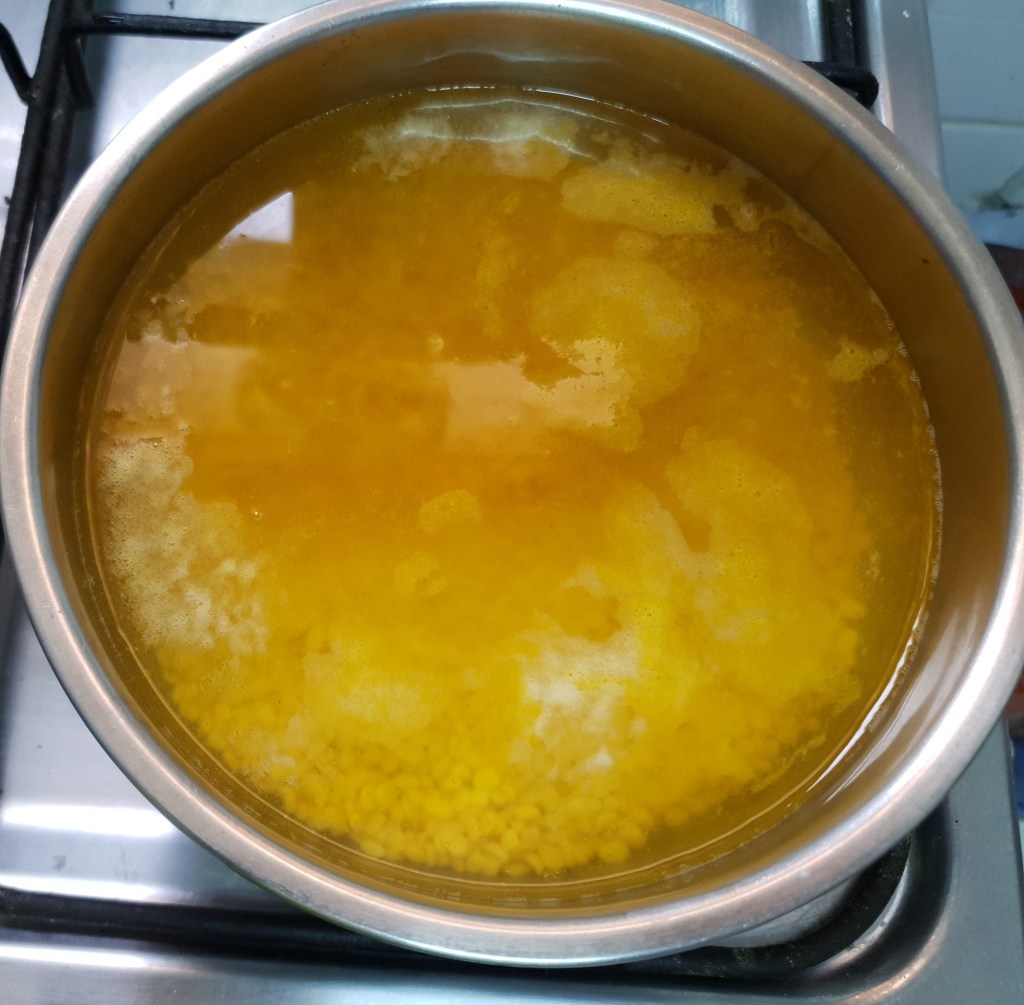
Boil the watermelon rind in 1 cup of water alongwith 1/4 tsp turmeric powder, slit green chillies, chopped onions and salt. Close the lid and let it cook. Once cooked, keep it aside.

In another vessel, wash the yellow moong dal and cook it in a kadai or pan with salt and 1/4 tsp turmeric powder. Cook it with 1 cup of water and keep it aside. Once cooked, add the cooked watermelon rind and mix it well. Add the ground coconut and boil it once and put off the flame.

Season it with the ingredients mentioned under ‘seasoning’ and mix it well. Garnish with grated coconut and serve with rice or chapathis.

Garlic curry/Poondu Kuzhambu

A tangy and healthy recipe made of garlic and tamarind which can be served with rice. I have seasoned the curry using vadavam (vadouvan), french derivative for this masala. The spice blend is thought to have originated from the colonial influence of the French in the Pondicherry region of India. (Pictured below)

The spice blend contains pounded onion, garlic, cumin seeds, mustard seeds and fenugreek seeds which are sun dried, then crushed and mixed with castor oil, rolled into balls and dried for several more days.

If you do not have vadavam, you could use the items mentioned “under seasoning” which would be readily available in your pantry.

Ingredients:

Peeled garlic pods – a handful

Onion – 2 small chopped

Tomatoes – 4

Milk – 1/2 cup

Tamarind – a small ball

Chillie powder – 1 tsp

Coriander powder – 1 tsp

Turmeric powder – 1/2 tsp

Oil – 1 tbsp (Gingeley oil preferred)

Water – 1 cup

Salt- as required

For seasoning:

Vadavam : 1 tsp optional (see picture below)

or

Mustard Seeds – 1 tsp

Udad dal – 1/2 tsp

Fenugreek seeds – 1/2 tsp

Asafoetida – 1/4 tsp

Curry leaves – 1 sprig

Preparation:

Soak the tamarind ( lime sized ball) in water for 10 minutes and make it pulpy.

Take a wide bottomed pan or kadai. Heat it and add oil. Add the onions and garlic and saute it well until the onions becomes slightly brown. Next, add the tomatoes and saute again. Add milk and cook the tomatoes. Take it off the heat and keep it aside.

When it turns cool, grind it in a mixer and keep it aside.

Heat oil in another pan, add the vadavam or the items listed under “seasonings”. Now add the ground paste to this and add the chillie powder, coriander powder and turmeric powder and mix it well. Next, add the tamarind paste or juice, discarding the flesh. Add a cup of water and salt and let it boil for 5 minutes. When it thickens a bit, take it off the flame and serve it with rice.

Maharashtrian Sabudana/Sago/Tapoica Pearls Kichdi

For the uninitiated, Sabudana kichdi is a popular breakfast item in Maharastra. It is mostly prepared on the days of fasting. Made with potatoes, coarsely ground peanuts and tapoica pearls, this recipe is one you would want to try…The tricky part is to prevent the sabudana from getting all clumped together but getting separate pearls after it is cooked.

Ingredients:

Sabudana/Sago – 1 1/2 cups

Potatoes – 2 medium diced

Cumin seeds/Jeera – 1 tsp

Roasted peanuts coarsely ground – 1/4 cup

Green chillies – 2 finely chopped

Coriander leaves – 2 sprigs chopped

Curry leaves – 6 to 7 (optional)

Lemon juice – 1/2 tsp

Salt as needed

Water – as needed

Grated coconut – 1 tbsp (optional)

Oil – 2 tbsp

Preparation:

Rinse the sabudana using a strainer two to three times until all the starch has been washed away.

Soak the sabudana with just enough water so as to submerge it, around 3/4th cup for every 1 cup of sabudana. Soak it for 3 to 4 hours. (Some types of sabudana are delicate and therefore, you may have to soak it for just an hour or so).

After 3 to 4 hours, check the sabudana and see if it is soft, if not leave it for some more time. The soaked sabudana should be soft when you press it and there should not be any water left for absorption in the vessel. Remove the excess water, if there is any.

Dice the potatoes and cook them with little salt till they are soft but not mushy. Keep them aside.

Heat a non stick pan (I prefer a non stick pan to a cast iron kadai as the sabudana tends to stick to the kadai due to the high heat). Add oil. When it turns hot, add the cumin seeds and curry leaves. When it starts to crackle, add the finely chopped green chillies and saute well. Add the cooked potatoes and mix it once. Then, add the drained sabudana pearls and mix well. Stir it to avoid sticking to the bottom. If it is too dry, just sprinkle a little water and stir again. Add salt and close and keep so that it cooks and becomes glossy. When done, add lime juice, coriander leaves and lastly coarsely ground peanuts. Mix well again and serve. You can add grated coconut at the end, if you wish.

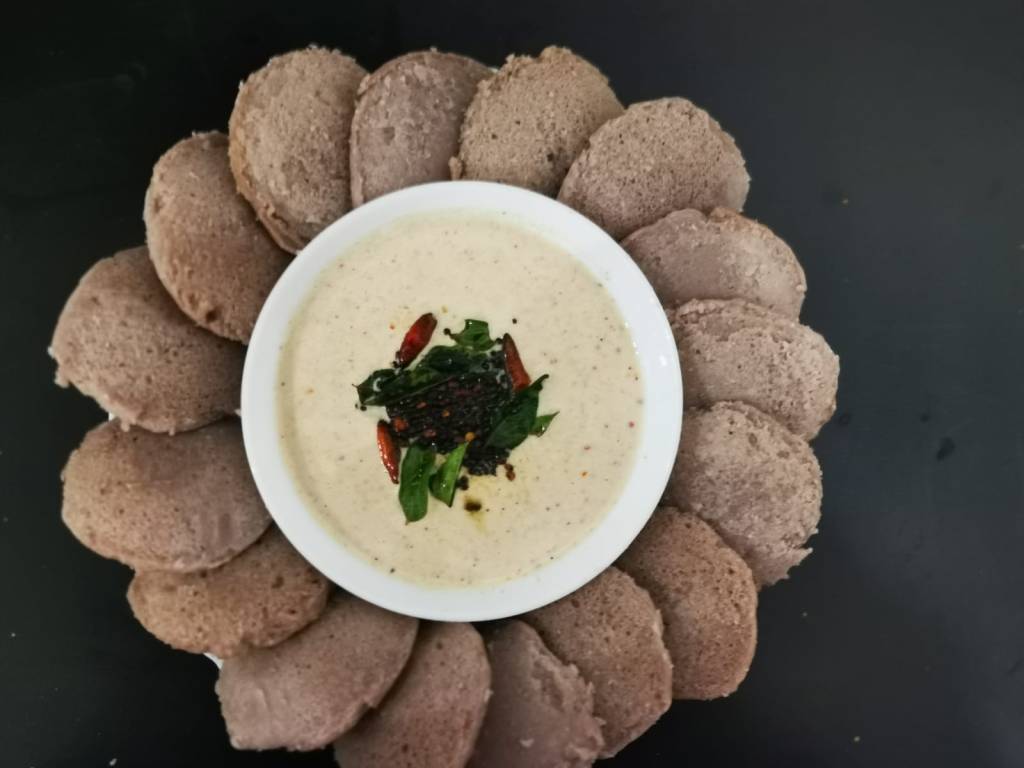
Instant Red Aval/Poha Idlis(Flattened Rice Steam Cakes)

These red aval idlis require no fermentation and can be prepared when you want quick idlis. Fluffy and light, these are easy to digest and makes for a light meal.

Makes 20 idlis.

Ingredients:

Urad dal – 4 tbsp

White or Red Poha/Aval – 1 cup

Rice flour – 1 cup

Sour curds – 1/2 cup

Water – 1 cup or as required

Salt – 1/2 tsp or to taste

Eno’s Fruit Salt – 1 tsp

Oil – for applying on the steamer plates

Preparation:

Heat a pan. When it is hot, lower the heat and add the urad dal and fry for 2 minutes. Then add the Poha/Aval and stir for another 2-3 minutes. Remove and let it cool down.

Pulse it to a fine powder in a grinder. Sieve this flour and keep it aside.

To the sieved flour, add rice flour, salt and mix well. Then add the curds, water and with a whisk , make sure that there are no lumps. If you require more water, add another 1/4 cup. The consistency should not be too thick or too flowing or thin.

Next, to steam the idlis, grease the idli moulds with little oil and add water to the idli cooker for steaming.

Before the batter is poured into the pans, add eno’s fruit salt into the batter. The batter will start bubbling up a little. Mix it well or else, you may end up with light orange colours in the idlis. You should add the eno salt only before pouring the idlis into the moulds or else, the idlis will become hard.

Pour the batter into the idli moulds and keep it on the steamer. Cover and steam for 10-12 minutes. Let it cool a bit and then remove the cover and check if it is cooked. When a toothpick is inserted, it should come out clean. Once cooked, remove the idlis with a tablespoon dipped in water.

Serve with peanut chutney or any chutney of your choice.

Khichdi

A simple one pot meal of rice and lentils with a perfect balance of proteins and carbohydrates. This recipe is cooked in a traditional pressure cooker and is eaten all over India.

Ingredients:

Oil – 1 tbsp

Ghee – 1 tbsp

 Rice – 1 cup

Toor dal – 1/2 cup

Onion 1 medium sized sliced lengthwise

Green chillies – 3 or 4 slit and seeds removed 

Ginger – 1 inch piece chopped into small pieces or grated

Garlic – 5 or 6 cloves chopped

Tomatoes  – 2 small chopped

Turmeric powder – 1/4 tsp

Salt – to taste

 Bay leaf – 1

Cloves – 2

Cinnamon sticks of 1 inch – 2 pieces

Cardamoms – 2

Preparation:

Wash the rice and dal together and soak for about half an hour .Heat oil and ghee, add whole spices, onions, green chillies and saute for sometime. Then add chopped ginger, garlic and sauté. Add soaked rice and dal without the water. Add salt, turmeric powder and sauté for about 5 minutes. Keep stirring so that the rice doesn’t stick to the pan. Add 4 and 1/2 cups hot water and transfer the contents to cooker. Put the weight on when the steam comes and wait for the whistle. After one whistle, reduce heat and cook for 7 minutes. Let it cool down and then, open the cooker and stir lightly. This can served with roasted papad, fried papad, pickle, garlic red chilli chutney (as shown in pic) or any other spicy chutney.

Note: If you want dal rice to be more mushy, add half cup more water while it is cooking.

Vegetable Cutlets

A delicious snack made with vegetables and potatoes which can be baked or shallow fried. It is mainly served as a snack in the evenings with a cup of tea or coffee.

Ingredients:

Beans – 6 to 7 pieces

Cauliflower – 3 or 4 small florets finely chopped

Peas – 1/4 cup

Carrot – 1 finely chopped

Onion – 1 medium chopped fine

Potatoes – 3 big

Green chillies finely chopped – 5

Ginger Garlic paste – 1/2 tbsp

Coriander leaves – 5 stalks

Garam masala powder – 1/4 tsp

Bread slices – 2 crumbled

Salt- as needed

For crust:

Maida – 2 tbsp

Pepper – 1/4 tsp

Salt -as needed

Water – 2 tbsp

Bread crumbs – 1 cup

Oil – 2 to 3 tbsp

Preparation:

Boil potatoes in water, until soft. When it is cooked, remove skin and mash it and keep aside.

Heat oil in a pan. Add finely chopped green chillies, saute followed by onions. When the onions becomes translucent, add ginger-garlic paste and fry until the raw smell of onions disappears. Then add finely chopped carrots, saute and then, the finely chopped beans and stir for 2 minutes on high heat. Add chopped cauliflower and the peas and stir again.

When it is cooked al dente (not fully cooked, 3/4 th cooked), take it off the fire and add finely chopped coriander leaves, add 2 pieces of fresh bread crumbs, mashed potatoes, salt and garam masala powder.

Divide them into equal balls.Then flatten them slightly to make thick patties and keep them aside in a plate.

In another plate, put half of the bread crumbs and keep them aside.

In a small mixing bowl, add maida, salt, pepper and water and make a thin batter. If you want a thicker crust, the batter should be slightly thick.

Keep the patties, bread crumbs and the batter together, close to each other.

Next, dip the patties in the batter and place them on bread crumbs. Turn it and coat the other side also with bread crumbs.

Place it on a plate and continue with all patties until it is well coated with the crumbs.

Heat 2 tbsps of oil in pan and place the crumb coated patties and shallow fry them in oil on both sides, until it turns golden brown.

You may also bake the patties for 15 minutes in the oven at 180 degree Celsius. Serve it with tomato ketchup.

Mango Rice

As the summer season is on and mangoes have started appearing in the market, this rice recipe with coconut and mango came to my mind. Tangy and bursting with flavours, it is a good option for a lunchbox meal.

Ingredients:

Rice – 1 cup

Water – 3 cups

Gingely oil – 1/2 tsp + 1/2 tsp

Mango grated – 1/2 cup

Coconut grated – 1/2 cup

Salt – as needed

Cashewnuts – 4 or 5 fried

Seasoning:

Mustard seeds – 1tsp

Chana dal/bengal gram dal – 1/2 tsp

Urad dal – 1/2 tsp

Whole red chillies – 2

Green chillie – 1

Asafoetida – 1/4 tsp

Turmeric powder – 1/2 tsp

Oil – 1 tsp

Preparation:

Boil rice with 3 cups water, 1/2 tsp gingely oil (so that the grains remain separate) and salt. When rice is cooked, drain the water. Allow it to cool. Add one tsp gingelly oil again to the rice which is cooked and cooled. 

Heat gingely oil in kadai. Add mustard seeds, channa dal, bengal gram (urad)dal, 2 whole red chillies, one green chilli whole, 1/4 tsp asafoetida, 1/2 tsp turmeric powder for yellow colour, ( If you want a white coloured rice, you may skip the turmeric powder) and grated mango. Saute for 2-3 minutes till the flavour of the raw mango goes away. Then add grated coconut, mix well for sometime and add rice to it. Mix slightly on fire for 1 minute or 2 minutes. Adjust the salt as required. Add chopped coriander on top and garnish it with fried cashewnuts.